Lakewood highlight
Classic post-WWII planned suburb
Incorporated in 1954 as a planned suburban community using an innovative service-delivery model, Lakewood pioneered the formula that became the template for modern California suburbs.
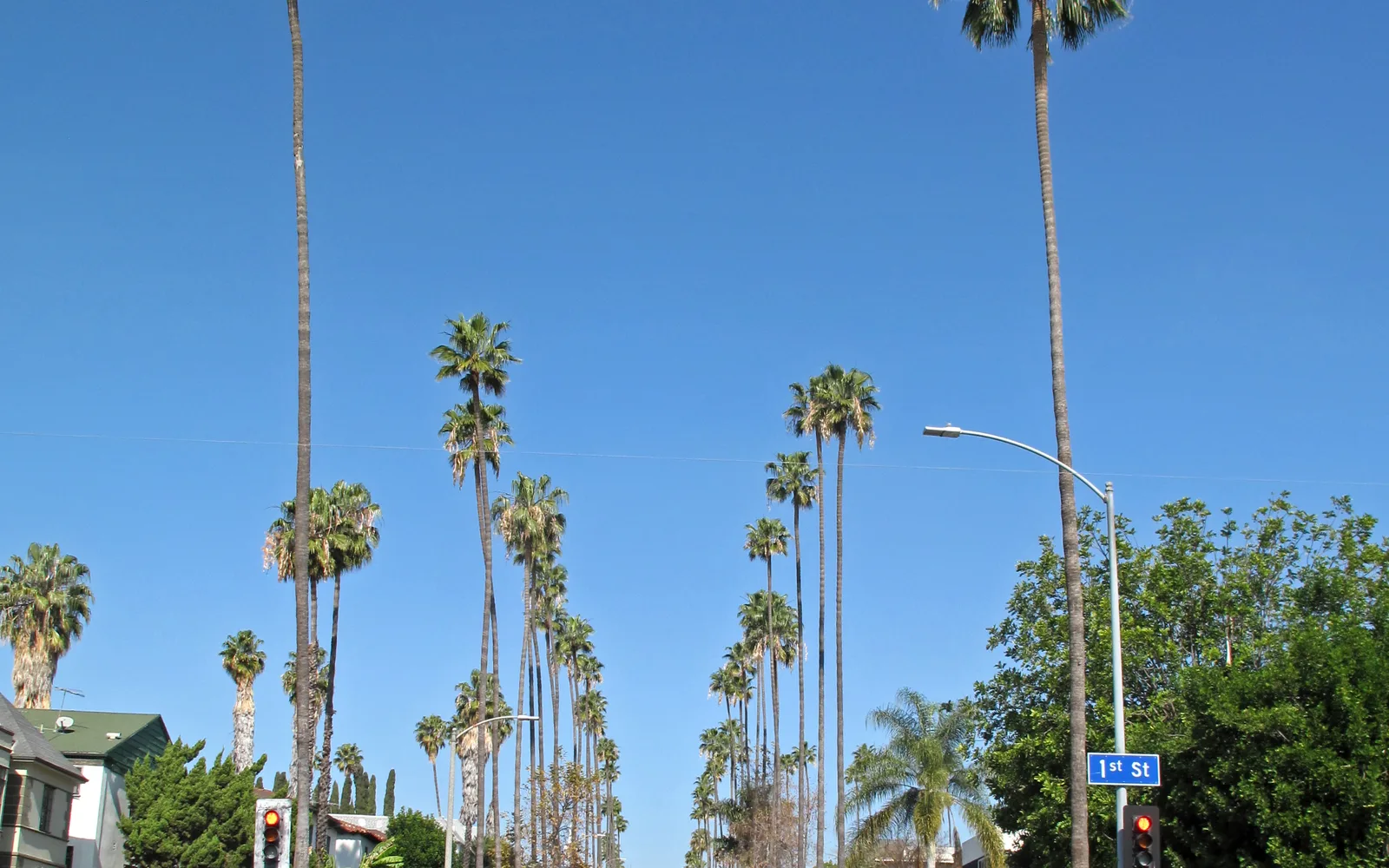
Lakewood's founding in 1954 reflected post-war confidence in suburban living and an experimental approach to city management. Developer John S. Todd envisioned a planned community that would deliver the amenities of a city through contracted services rather than a traditional municipal bureaucracy. The result was the 'Lakewood Plan'—a governance model where the newly incorporated city contracted with the County of Los Angeles for police, fire, public works and inspections, allowing the municipality to start lean and scale services with growth.
The model worked. It kept startup costs low, responded quickly to residents' needs, and proved replicable: dozens of other Southern California cities adopted variations of the Lakewood Plan. Today, more than 40 percent of the city's operating budget still flows to County contracts for law enforcement, road repair and building inspection—a direct line back to the vision of 1954. The planned suburb itself matured into a stable community of mostly single-family homes, tree-lined streets and parks.
Suburban stability is what draws families to plan ahead. When a family chooses a community like Lakewood and settles into a mortgage, they're making a long-term bet on their households. Term life insurance at the right level—covering the mortgage, college years and income replacement—is the financial anchor that keeps that bet protected if something unexpected happens to the primary earner.